 Image 1 of 1
LANGUEDOC
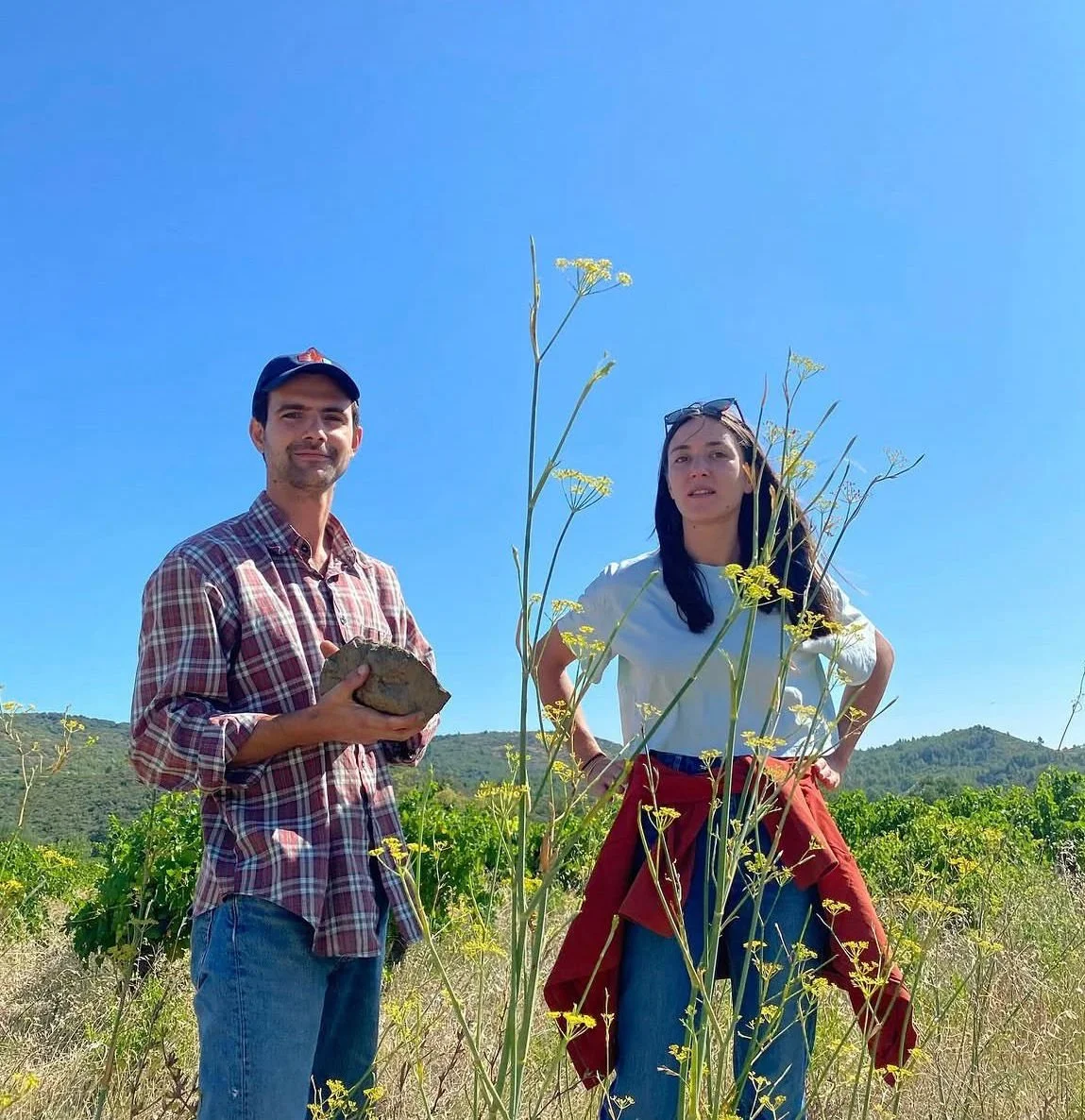
Edouard Adam, from where we get the winery name Mada, grew up in Lyon, just southwest of the Beaujolais region, then spent the next six years of his young life living in Tunisia. He returned to France, completed high school – a year early, top marks! then began business school in Montpellier which he decided wasn’t for him. Instead, he started to study part-time for his viti-oeno winemaking diploma, which would last three years and allow him to study while working and getting practical experience. Two of those years’ experience were spent working with his then-future father-in-law who had six hectares of organically worked vines around the village of Gignac in the Languedoc just north of Montpellier, while the last year was spent between two wineries close by in the Terrasses du Larzac.
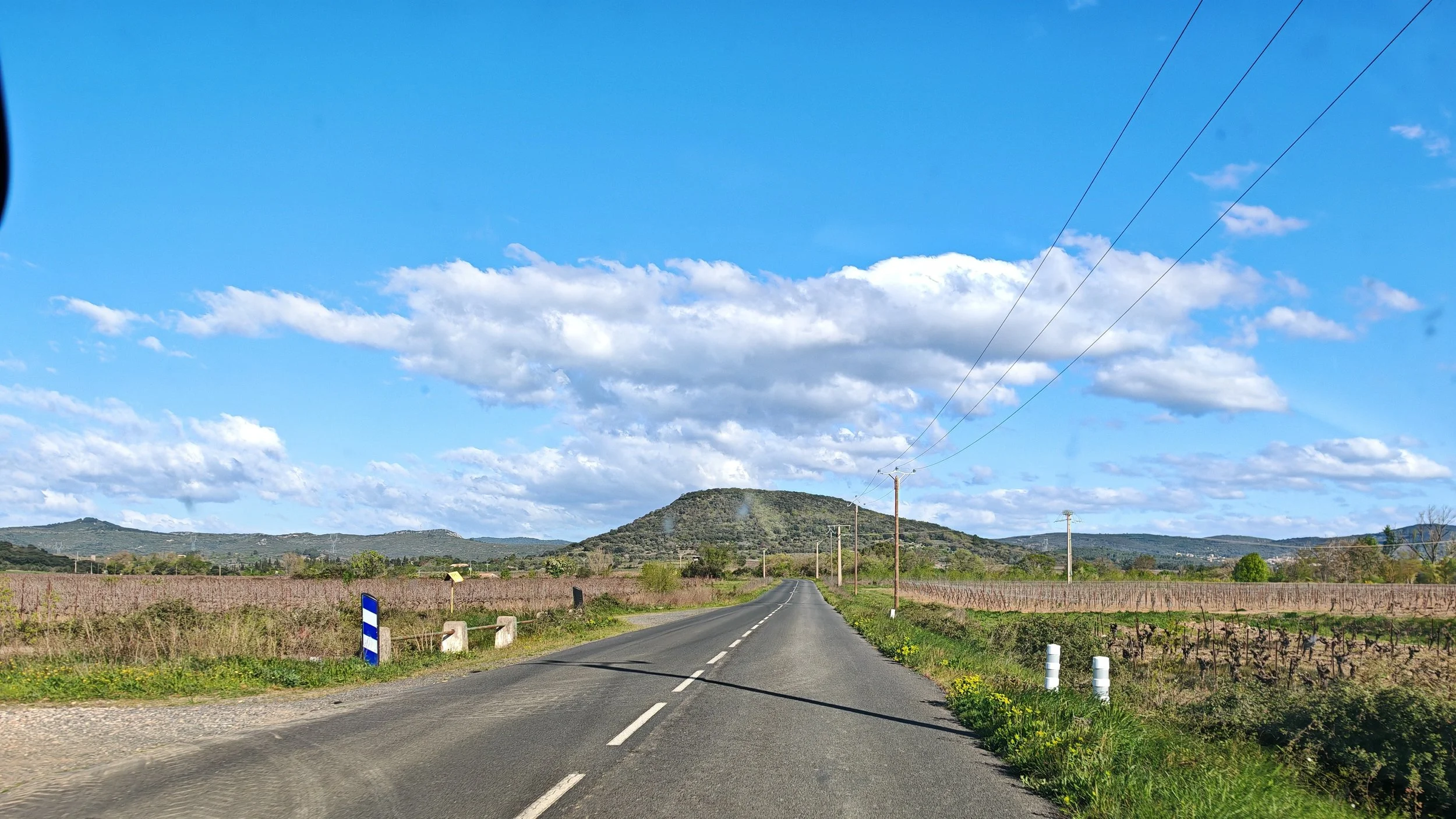
Diploma in hand, Edouard began making wines in 2015 from three hectares of his father-in-law’s vines and another three hectares he acquired around Gignac, but it was only a short-lived experience and while things were winding down in 2019 in Gignac, Edouard was already thinking of the next step and began looking for vines nearby. He found them in the village of Nizas, not far from Beziers.
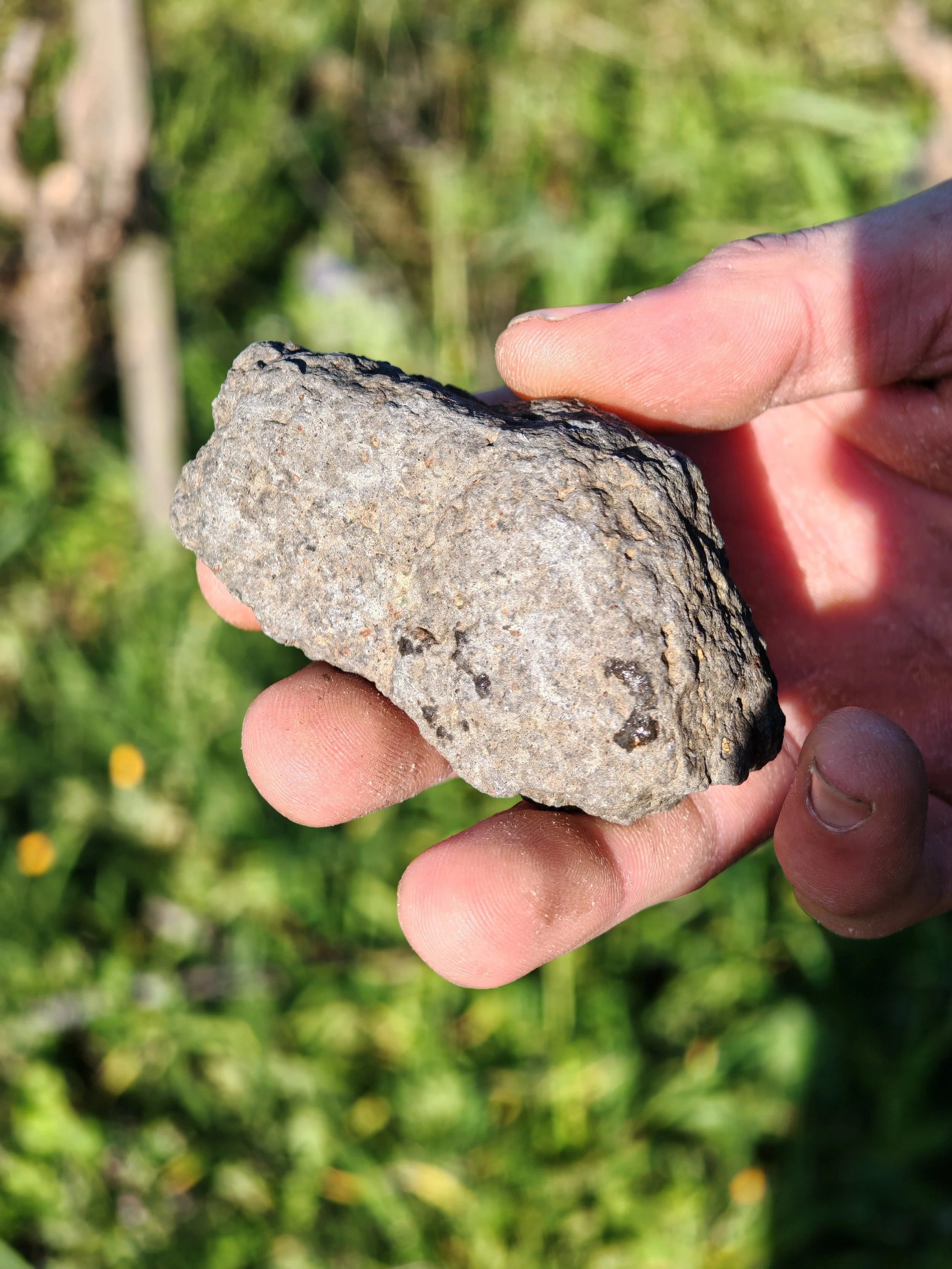
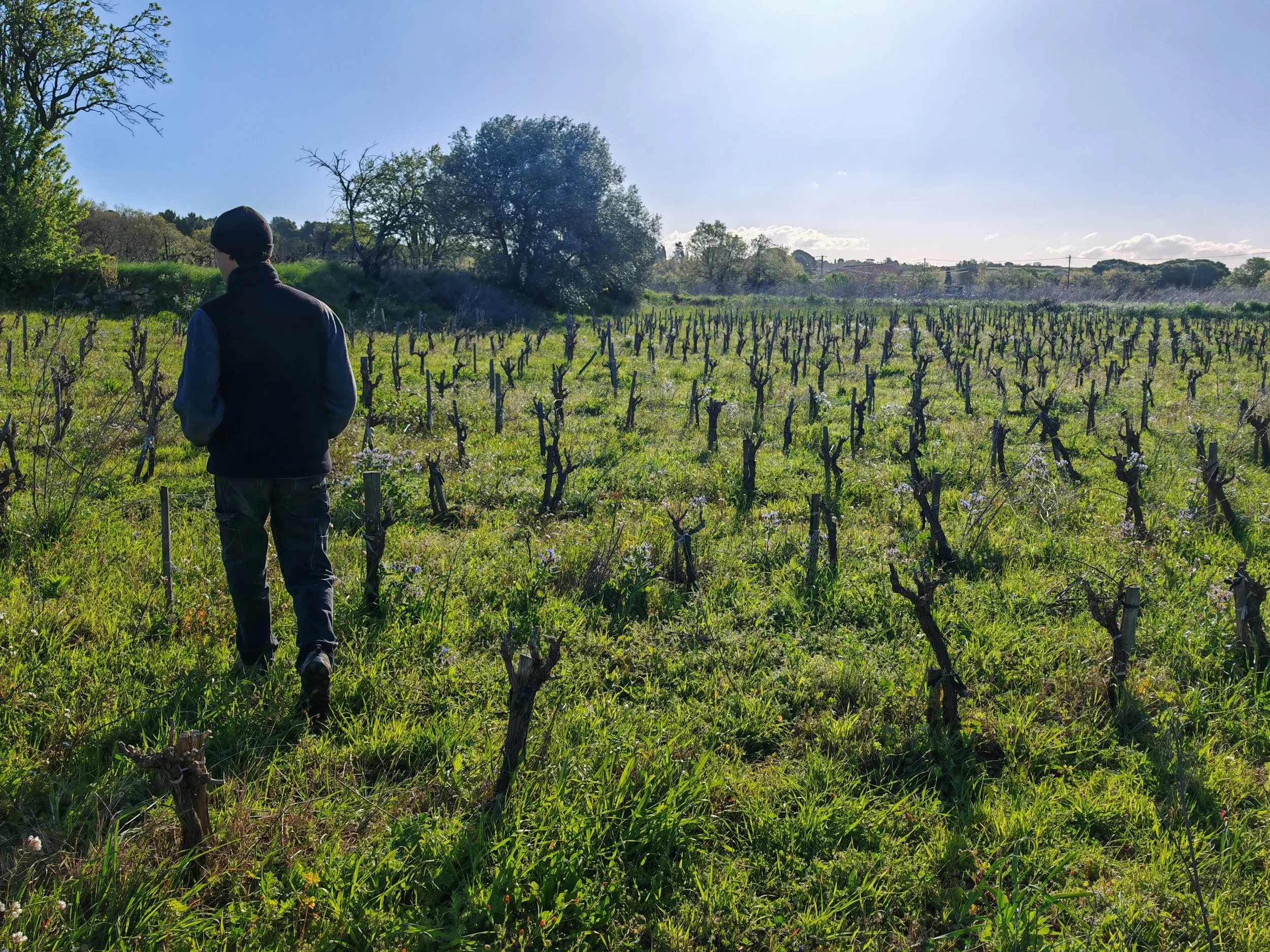
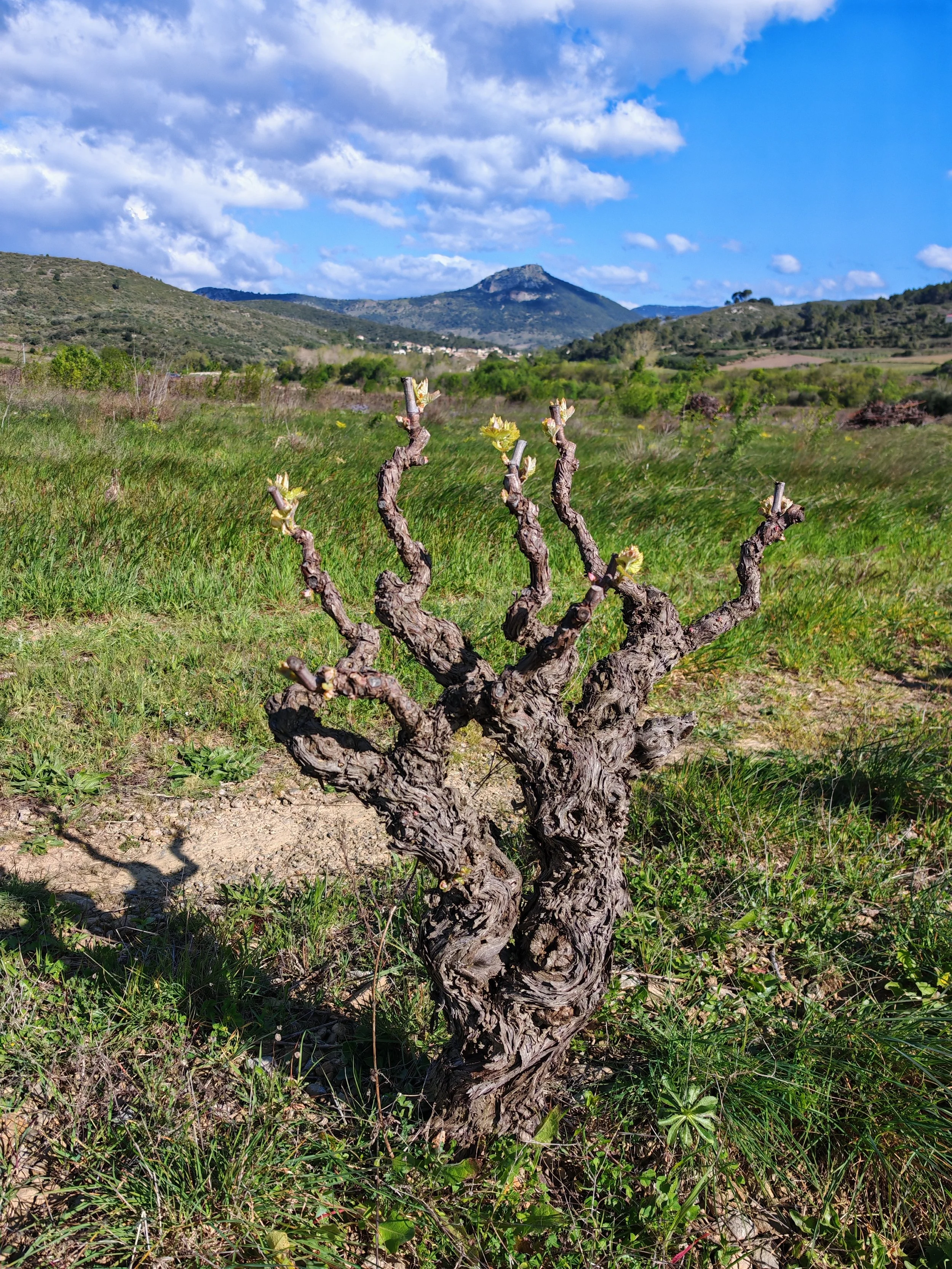
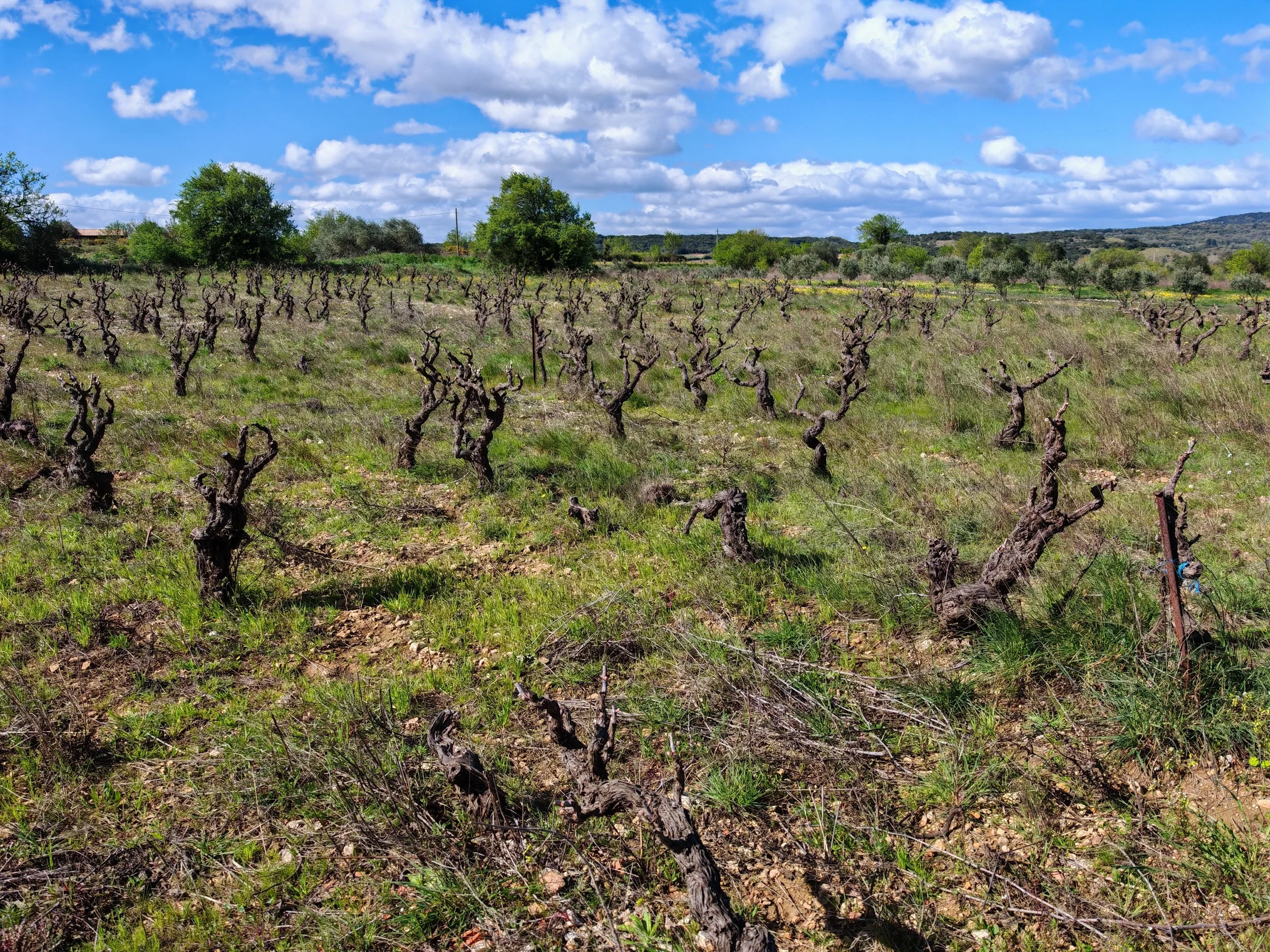
He and Pauline, daughter of aforementioned father-in-law, now have nine hectares of certified organic vines consisting of around two thirds red varietals and the rest white. The reds are made up of classic southern varietals – Carignan, Syrah, and Cinsault, while the whites are a mix of small quantities of many different grapes – Terret Blanc and Gris, Carignan Blanc, Grenache Blanc and Gris, Vermentino, Clairette, and the rare, indigenous Oeillade Blanche. The white vines are generally on basalt soils and are mostly between 15 to 40 years old. The reds are on schist and apart from his young Syrah vines, are much older, ageing between 50 and 90 years old. All but one or two of his cuvees are parcellaire, using whichever varietals are on that plot to make that wine. It all makes sense to Edouard – one parcel, one terroir, one cuvee.
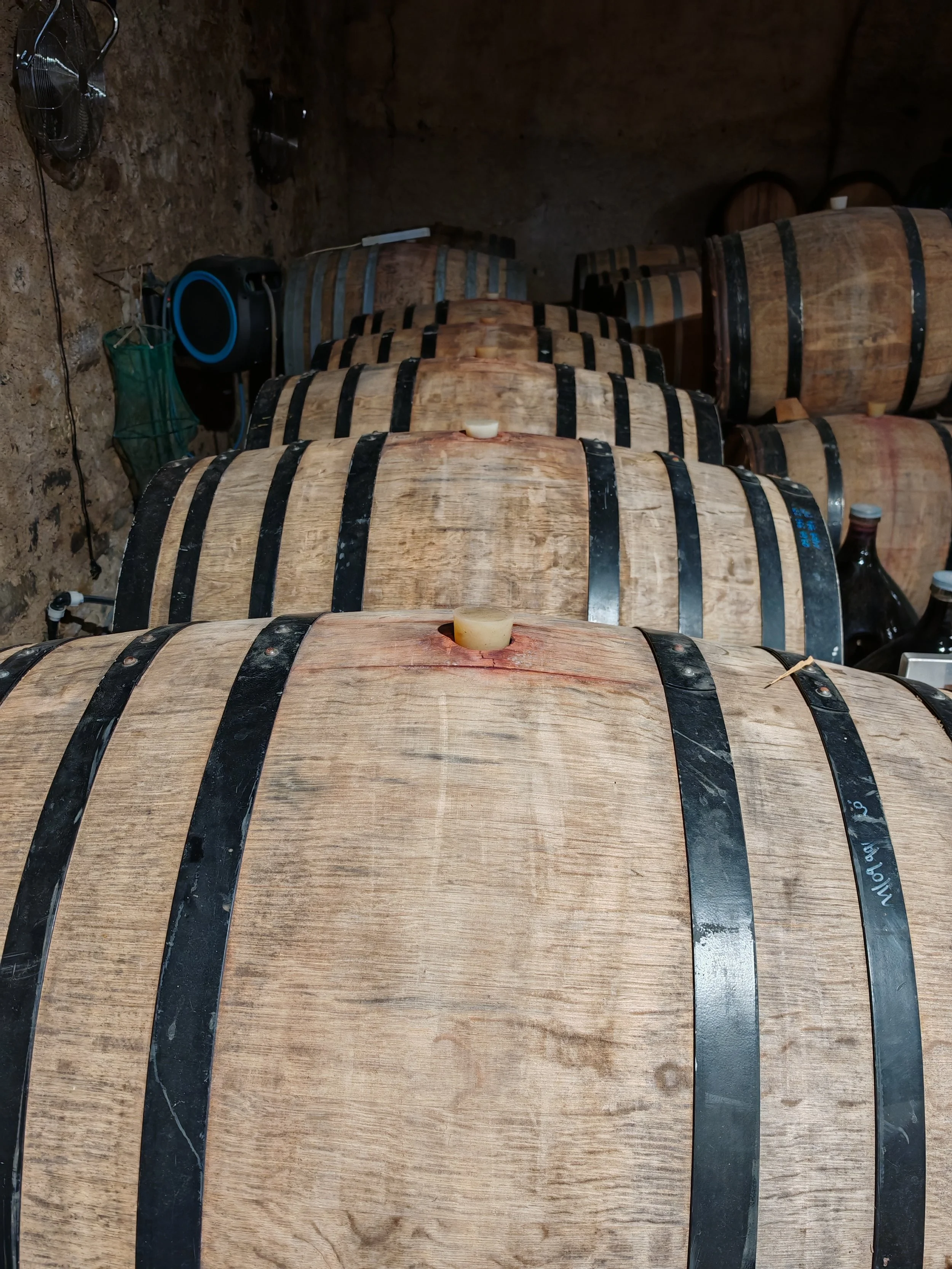
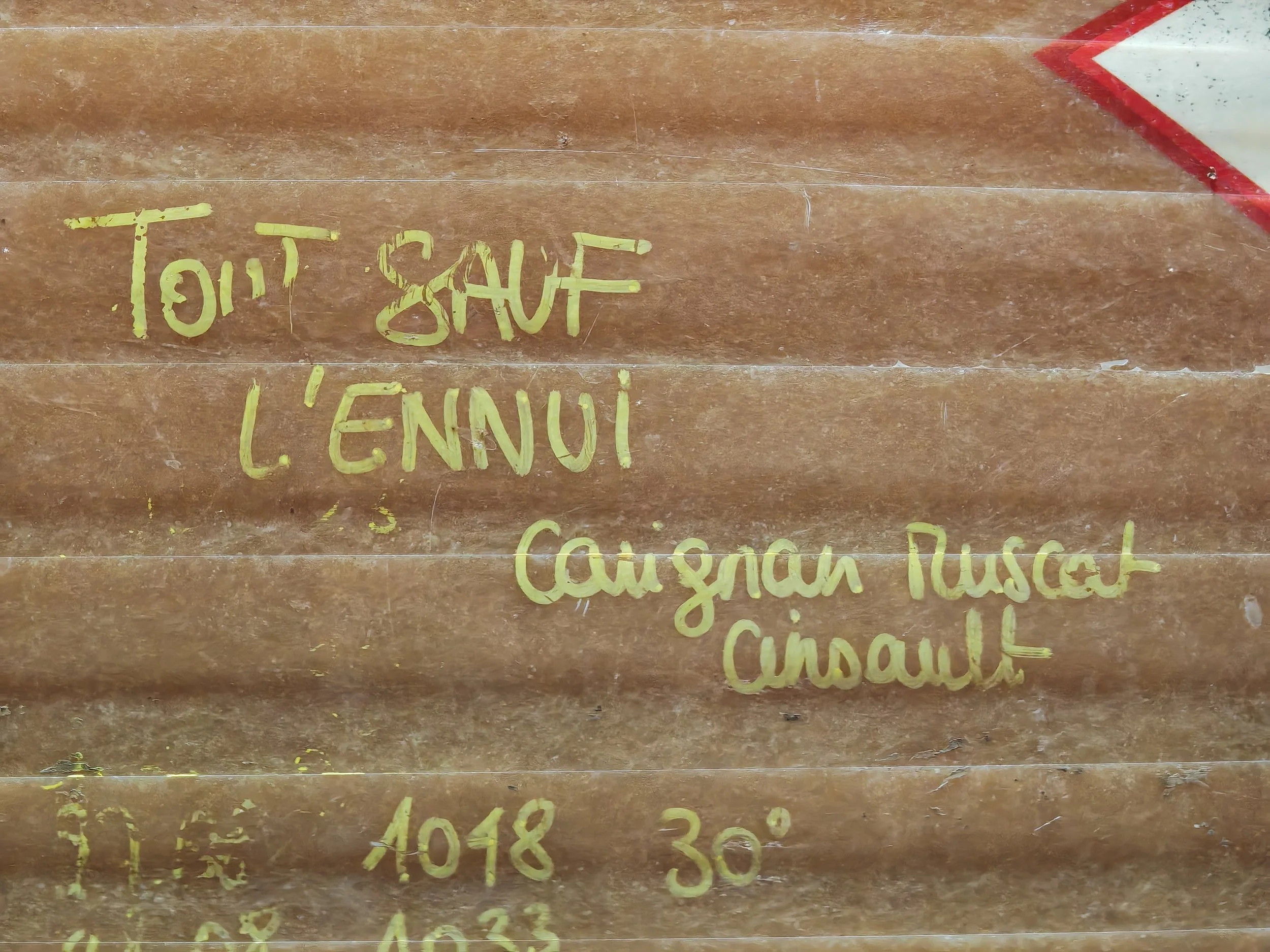
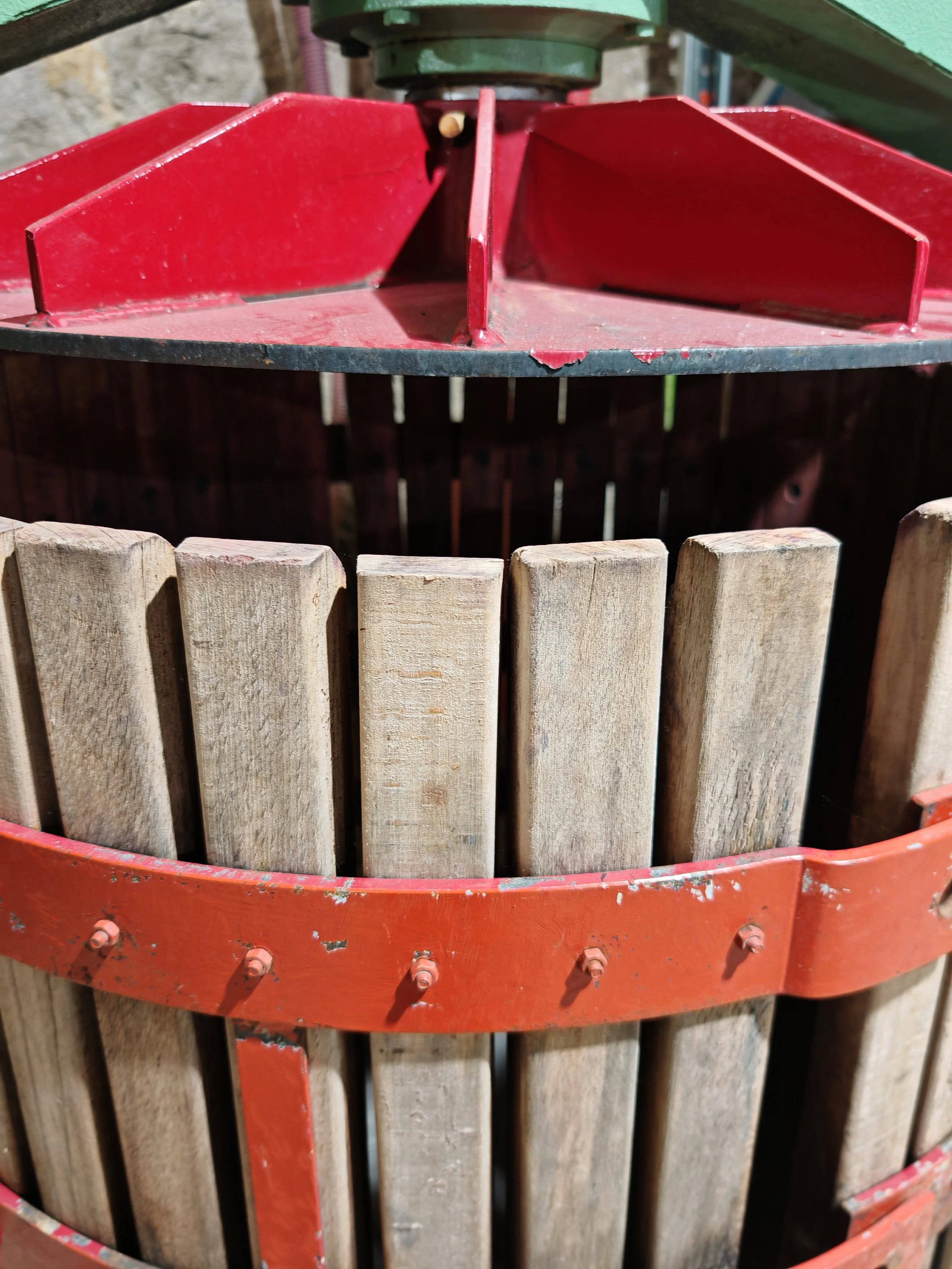
He’s an advocate of minimal intervention. There was no “seminal moment” that steered him in that direction, just a continuation of ideas taken from his father-in-law who practiced organic farming, and a desire to keep things simple, making wine from nothing except grapes. There are no filtering, fining, enzymes, additives, or technical processes used in the cellar, and despite not using any So2, his wines remain clean and stable, which he attributes to his use of barrel ageing for almost all cuvees. He says this “prepares the wine for the air”. There’s certainly plenty of wood in his cellar, ranging from classic Burgundy barrels at 228 liters, up through three sizes of demi-muid, and finally to foudre holding up to 3000 liters. His fibreglass and stainless-steel tanks are reserved for the fermentation. The short, often whole cluster, macerations and limited extraction, produce low ABV and light to medium bodied wines with lots of bright fruit, and herbal garrigue notes.
LANGUEDOC
Edouard Adam, from where we get the winery name Mada, grew up in Lyon, just southwest of the Beaujolais region, then spent the next six years of his young life living in Tunisia. He returned to France, completed high school – a year early, top marks! then began business school in Montpellier which he decided wasn’t for him. Instead, he started to study part-time for his viti-oeno winemaking diploma, which would last three years and allow him to study while working and getting practical experience. Two of those years’ experience were spent working with his then-future father-in-law who had six hectares of organically worked vines around the village of Gignac in the Languedoc just north of Montpellier, while the last year was spent between two wineries close by in the Terrasses du Larzac.
Diploma in hand, Edouard began making wines in 2015 from three hectares of his father-in-law’s vines and another three hectares he acquired around Gignac, but it was only a short-lived experience and while things were winding down in 2019 in Gignac, Edouard was already thinking of the next step and began looking for vines nearby. He found them in the village of Nizas, not far from Beziers.
He and Pauline, daughter of aforementioned father-in-law, now have nine hectares of certified organic vines consisting of around two thirds red varietals and the rest white. The reds are made up of classic southern varietals – Carignan, Syrah, and Cinsault, while the whites are a mix of small quantities of many different grapes – Terret Blanc and Gris, Carignan Blanc, Grenache Blanc and Gris, Vermentino, Clairette, and the rare, indigenous Oeillade Blanche. The white vines are generally on basalt soils and are mostly between 15 to 40 years old. The reds are on schist and apart from his young Syrah vines, are much older, ageing between 50 and 90 years old. All but one or two of his cuvees are parcellaire, using whichever varietals are on that plot to make that wine. It all makes sense to Edouard – one parcel, one terroir, one cuvee.
He’s an advocate of minimal intervention. There was no “seminal moment” that steered him in that direction, just a continuation of ideas taken from his father-in-law who practiced organic farming, and a desire to keep things simple, making wine from nothing except grapes. There are no filtering, fining, enzymes, additives, or technical processes used in the cellar, and despite not using any So2, his wines remain clean and stable, which he attributes to his use of barrel ageing for almost all cuvees. He says this “prepares the wine for the air”. There’s certainly plenty of wood in his cellar, ranging from classic Burgundy barrels at 228 liters, up through three sizes of demi-muid, and finally to foudre holding up to 3000 liters. His fibreglass and stainless-steel tanks are reserved for the fermentation. The short, often whole cluster, macerations and limited extraction, produce low ABV and light to medium bodied wines with lots of bright fruit, and herbal garrigue notes.