 Image 1 of 1
LANGUEDOC
Erika and Benoit both originate from the cold climate Alpine region in the east of France - Erika from Grenoble and Benoit from Savoie, near Annecy - but they exchanged that to move to the warm climate of the Corbières hills, making their first vintage of wines at Domaine Les Gragnotes in 2018.
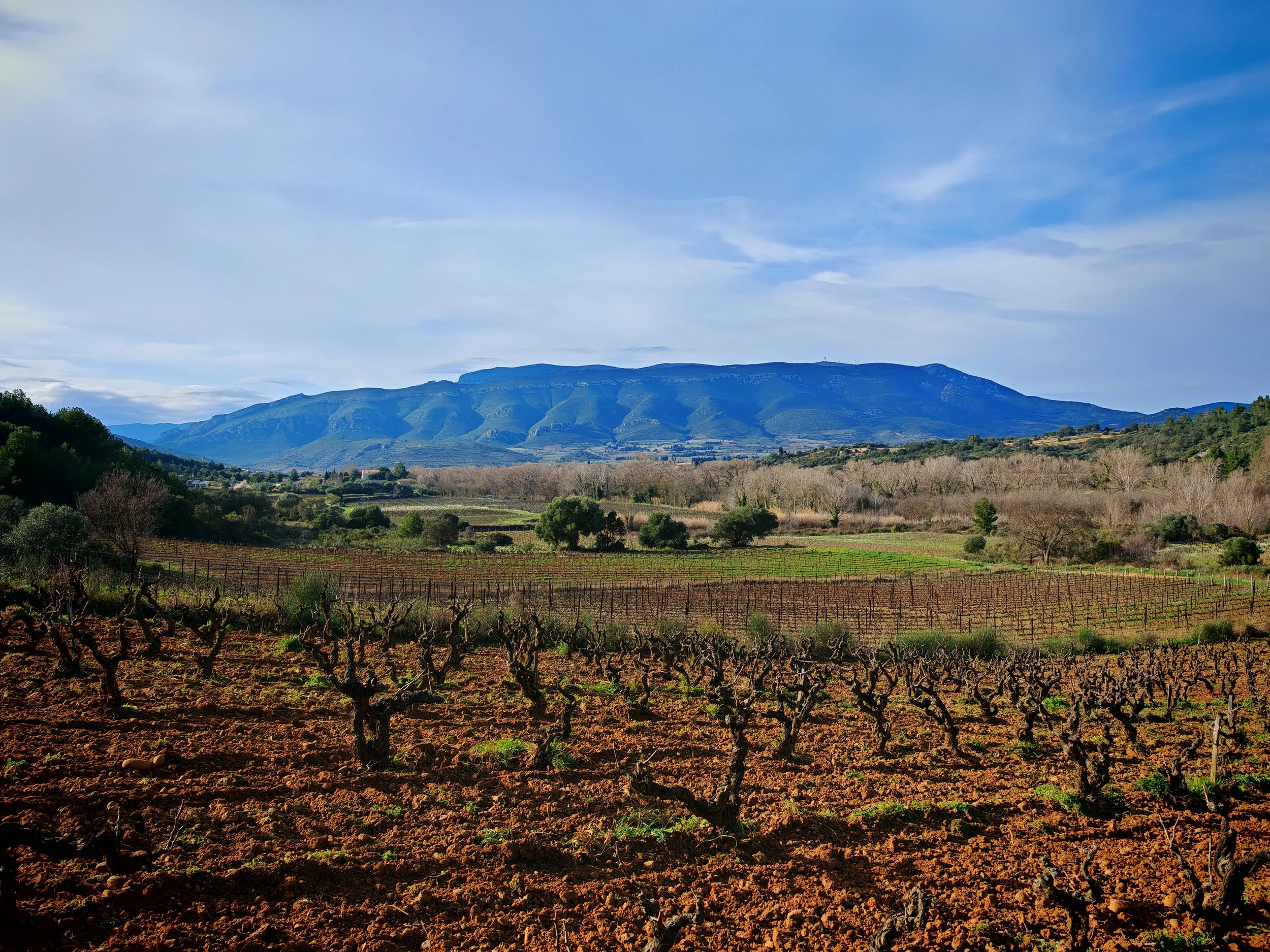
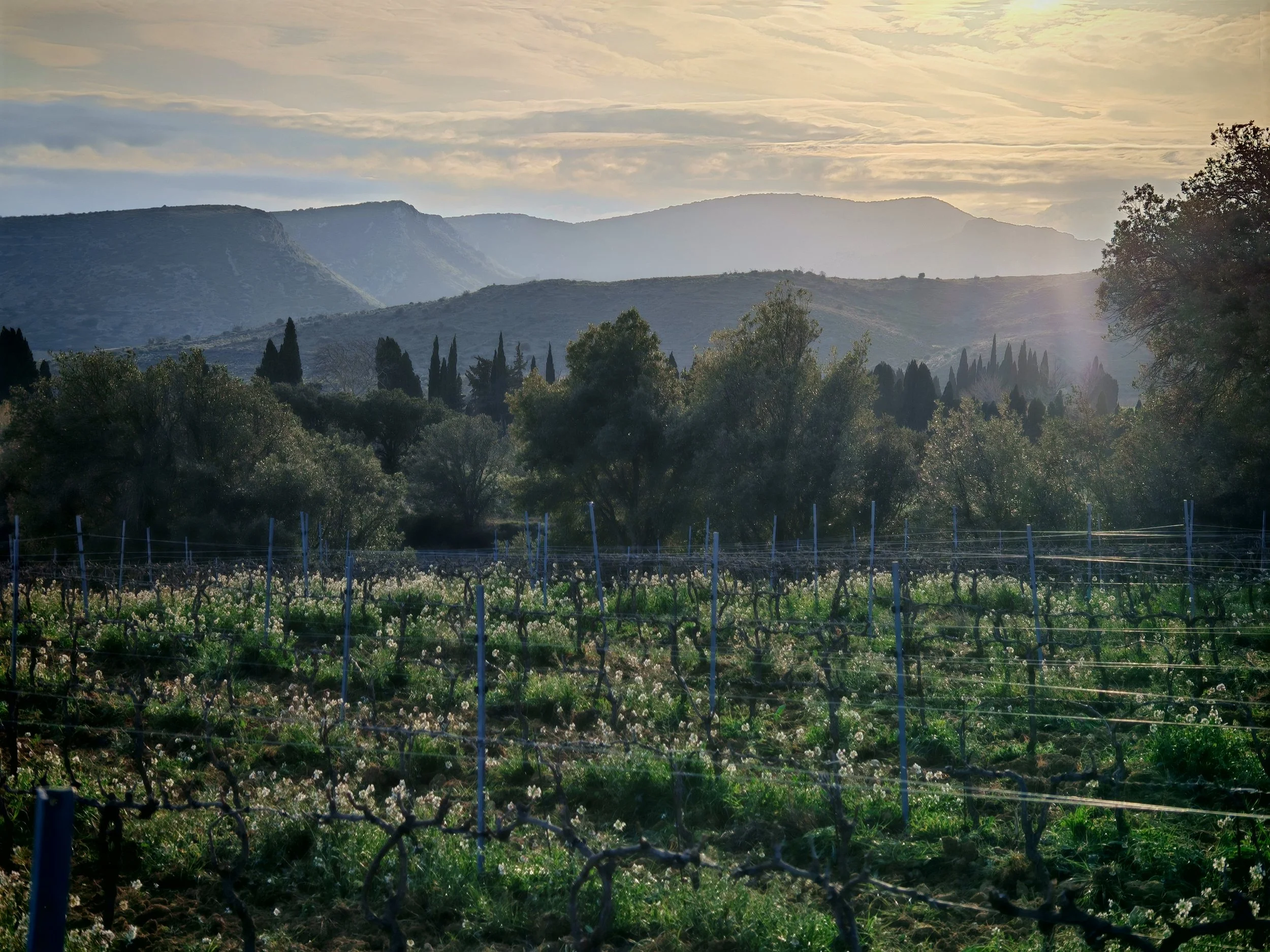
Neither of them are from winemaking families but on Erika’s side there had been family on the other side of France in the sleepy village of Paziols in the Corbières on the very limit of the Languedoc, for generations. There’s not much going on here - you can find a beautiful stone church, which looks like it’s been there since the time of the Cathars, on a hill just a hundred yards away from the village square where you can also find, as with many provincial villages, the building of the Mairie (town hall) which has the village school attached, a cafe, and its one shop serving as butcher, boulangerie, general store, and post office. But under the surface, what this village does have is wine culture, with currently around fifteen winemakers playing their trade here. There are vines all around and it makes for a stunning backdrop against the garrigue-covered hills of the Corbières.
Erika’s family had some vines of their own so when the time came for an Uncle to definitively hang up his secateurs, Benoit and Erika decided to leave the harsh winters of the Vercors in the east where they were living and start over as winemakers in the Languedoc. A big call perhaps but one that we think they’ve pulled off.
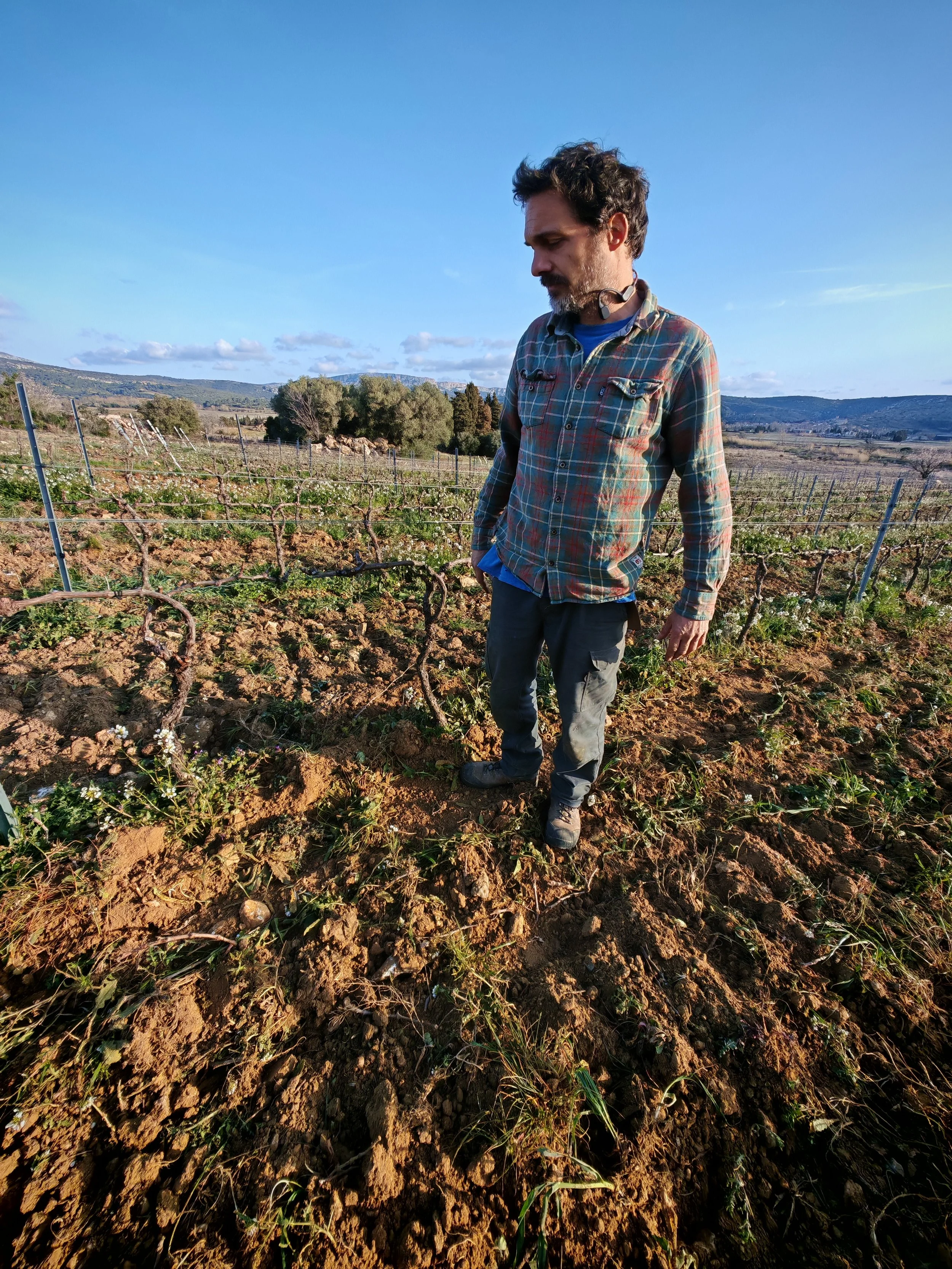
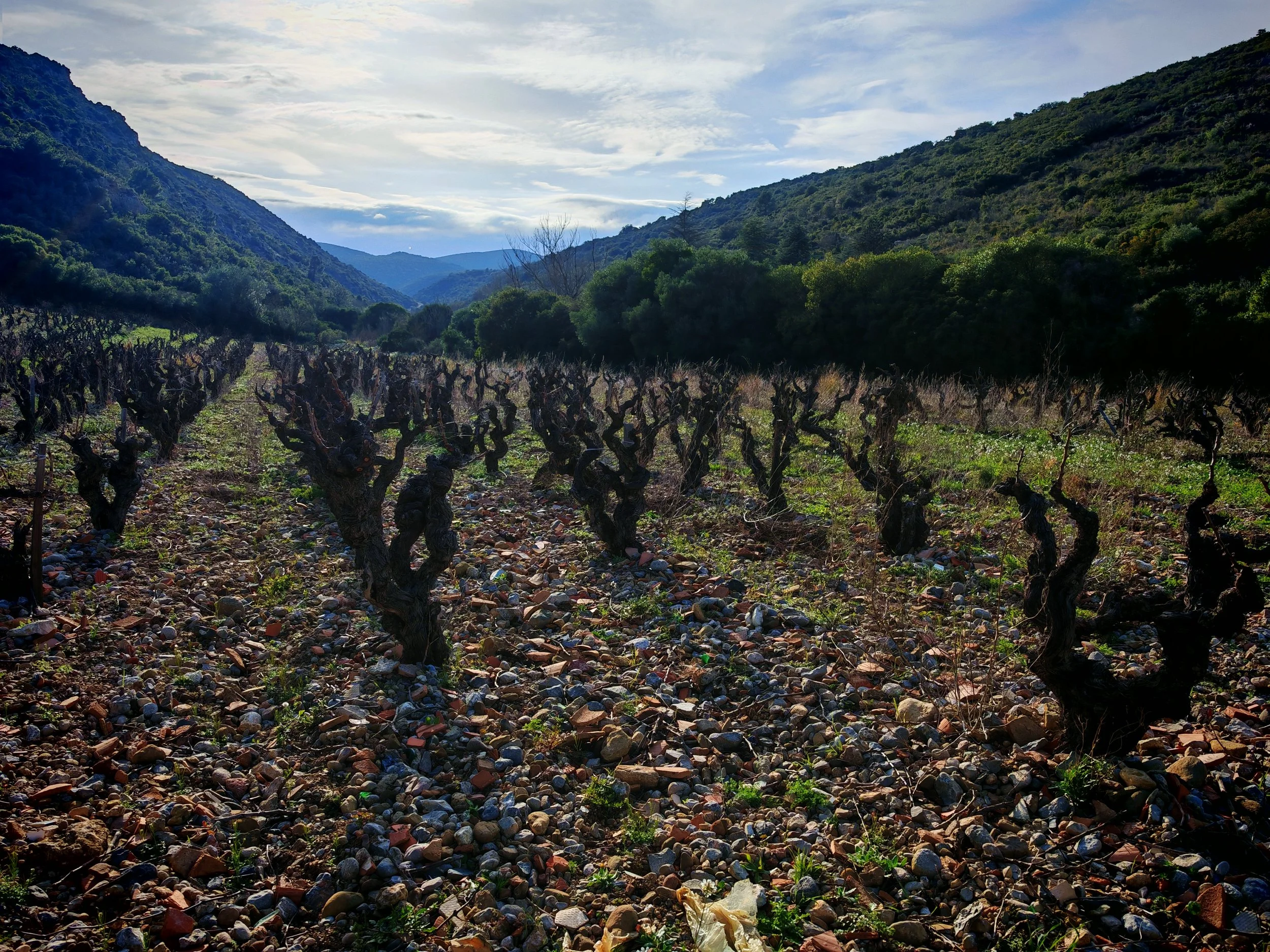
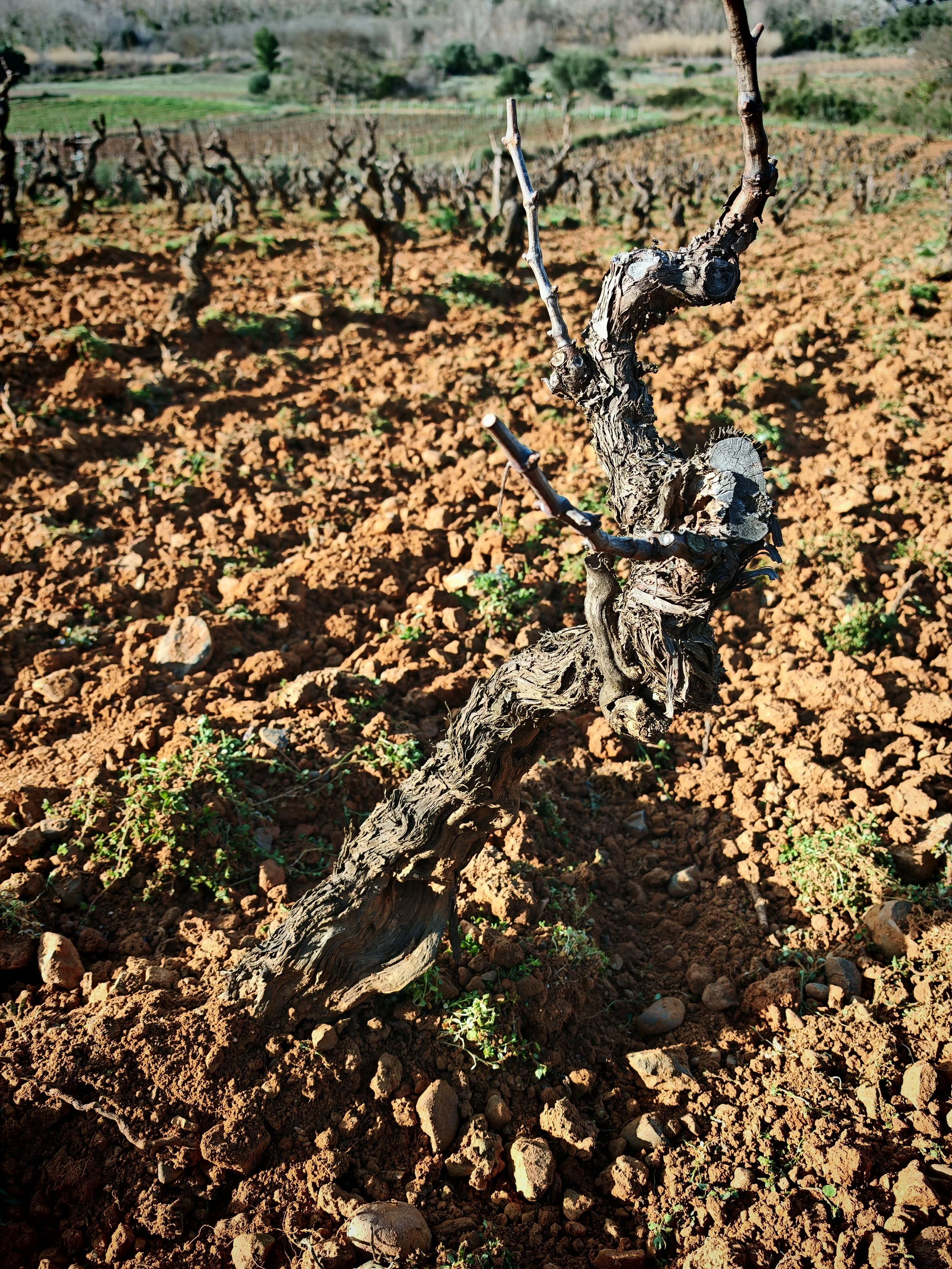
There’s been lots of doubt, trial and error, lots of learning from locals who know the terroirs well but seven years since their first vintage they’re happy with their six hectares of certified organic vines. Varietals include old vine Grenache Noir (60-80 years old), Grenache Gris, and Carignan (both planted pre-1905), Syrah, Grenache Blanc, Lledoner Pelut, and Maccabeu. We quickly realized while visiting many of their 11 parcels around Paziols and towards the neighboring village of Tuchan, that they have a collection of vines, some young but mostly 50 years old up to 100 years old plus, that are pretty stunning to the eye, being nestled in valleys surrounded by garrigue, hills, and streams. Almost all the soils are clay limestone with some parcels on richer loam. They work their soils, mostly by the lighter track-style tractors made for vine work known as chenillard, because there’s simply not enough rainfall in this region to feed the greenery - weeds and grasses - as well as the vines. All harvesting is done by hand and by a group of regulars from local villages. It’s done solely in the morning, from 7am until noon, keeping a freshness in the grapes before getting too hot.
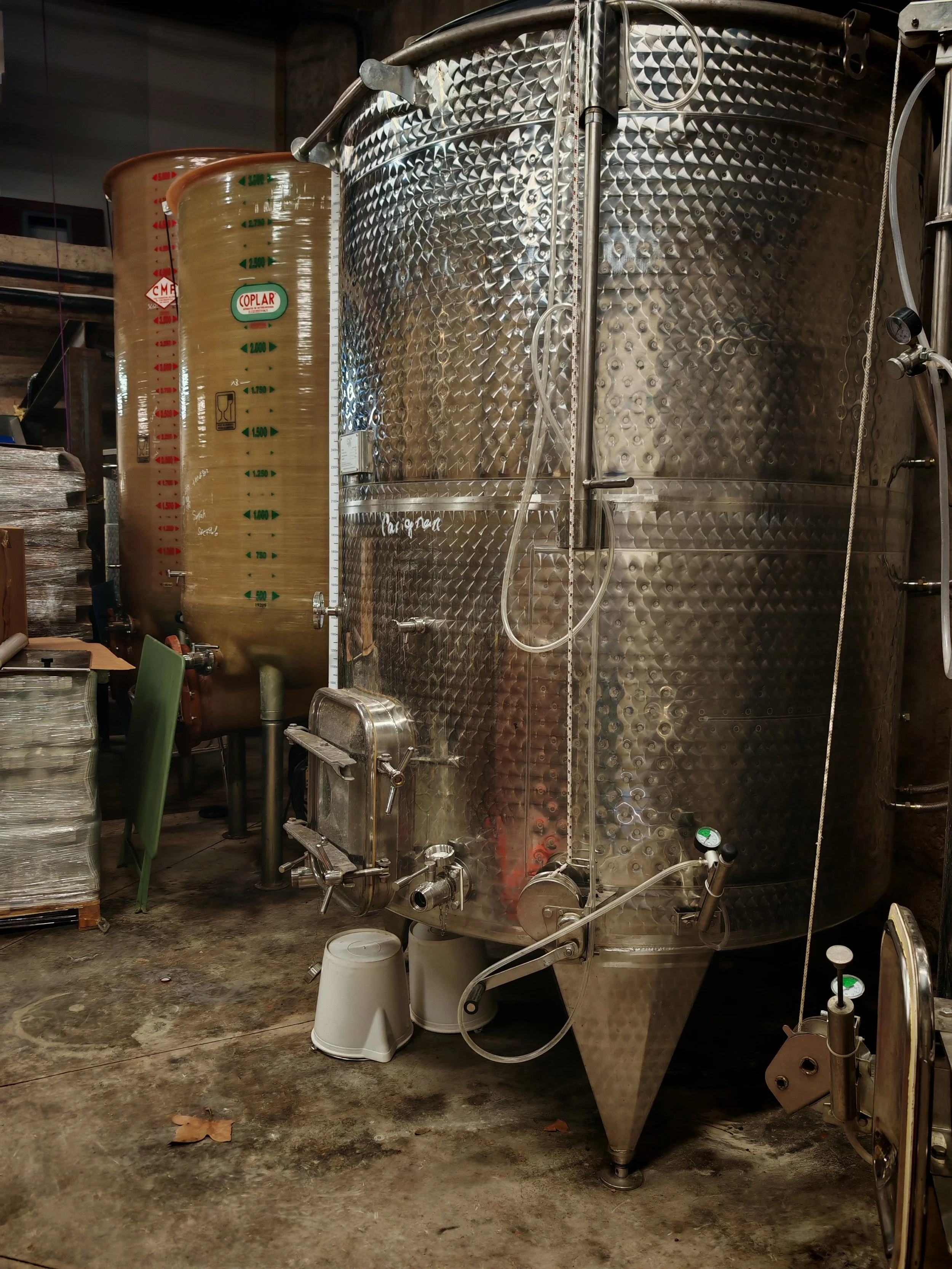
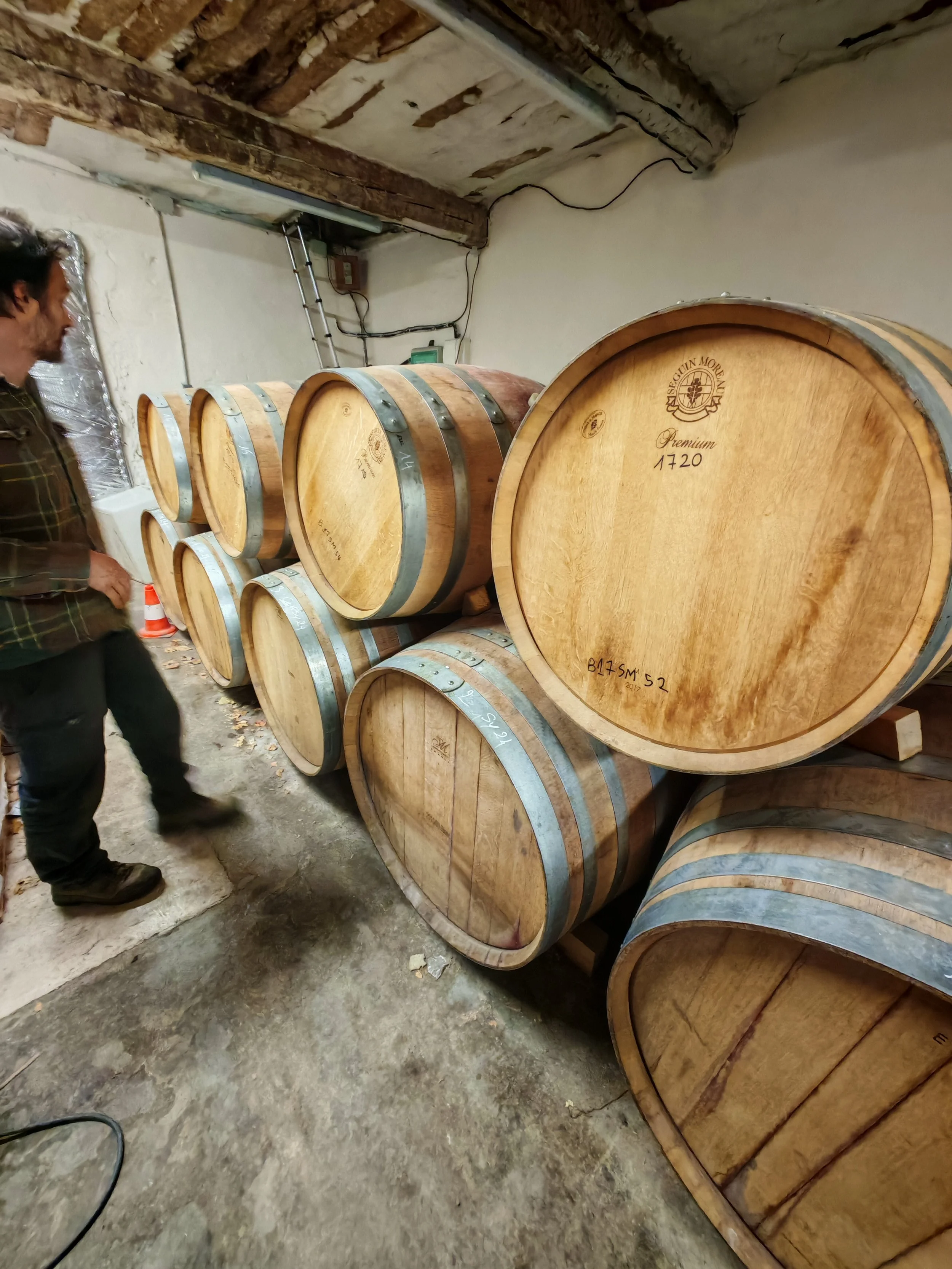
They have a classic line-up composed of whites (of which one blanc de noir) roses, and reds. Whites are press direct and red varietals are both fermented apart (usually in fibreglass) and aged apart in 7- to 15-year-old used barrels. Erika and Benoit are taking their time, only releasing wines when they think they’re ready so it’s no surprise to have releases after a year of two in bottle when they’ve reached their peak.
Can’t finish witout a heads-up to their tatoo artist friend from Perpignan who’s responsible for the wonderful artwork on the labels.
Enjoy !
LANGUEDOC
Erika and Benoit both originate from the cold climate Alpine region in the east of France - Erika from Grenoble and Benoit from Savoie, near Annecy - but they exchanged that to move to the warm climate of the Corbières hills, making their first vintage of wines at Domaine Les Gragnotes in 2018.
Neither of them are from winemaking families but on Erika’s side there had been family on the other side of France in the sleepy village of Paziols in the Corbières on the very limit of the Languedoc, for generations. There’s not much going on here - you can find a beautiful stone church, which looks like it’s been there since the time of the Cathars, on a hill just a hundred yards away from the village square where you can also find, as with many provincial villages, the building of the Mairie (town hall) which has the village school attached, a cafe, and its one shop serving as butcher, boulangerie, general store, and post office. But under the surface, what this village does have is wine culture, with currently around fifteen winemakers playing their trade here. There are vines all around and it makes for a stunning backdrop against the garrigue-covered hills of the Corbières.
Erika’s family had some vines of their own so when the time came for an Uncle to definitively hang up his secateurs, Benoit and Erika decided to leave the harsh winters of the Vercors in the east where they were living and start over as winemakers in the Languedoc. A big call perhaps but one that we think they’ve pulled off.
There’s been lots of doubt, trial and error, lots of learning from locals who know the terroirs well but seven years since their first vintage they’re happy with their six hectares of certified organic vines. Varietals include old vine Grenache Noir (60-80 years old), Grenache Gris, and Carignan (both planted pre-1905), Syrah, Grenache Blanc, Lledoner Pelut, and Maccabeu. We quickly realized while visiting many of their 11 parcels around Paziols and towards the neighboring village of Tuchan, that they have a collection of vines, some young but mostly 50 years old up to 100 years old plus, that are pretty stunning to the eye, being nestled in valleys surrounded by garrigue, hills, and streams. Almost all the soils are clay limestone with some parcels on richer loam. They work their soils, mostly by the lighter track-style tractors made for vine work known as chenillard, because there’s simply not enough rainfall in this region to feed the greenery - weeds and grasses - as well as the vines. All harvesting is done by hand and by a group of regulars from local villages. It’s done solely in the morning, from 7am until noon, keeping a freshness in the grapes before getting too hot.
They have a classic line-up composed of whites (of which one blanc de noir) roses, and reds. Whites are press direct and red varietals are both fermented apart (usually in fibreglass) and aged apart in 7- to 15-year-old used barrels. Erika and Benoit are taking their time, only releasing wines when they think they’re ready so it’s no surprise to have releases after a year of two in bottle when they’ve reached their peak.
Can’t finish witout a heads-up to their tatoo artist friend from Perpignan who’s responsible for the wonderful artwork on the labels.
Enjoy !