 Image 1 of 1
SOUTH WEST
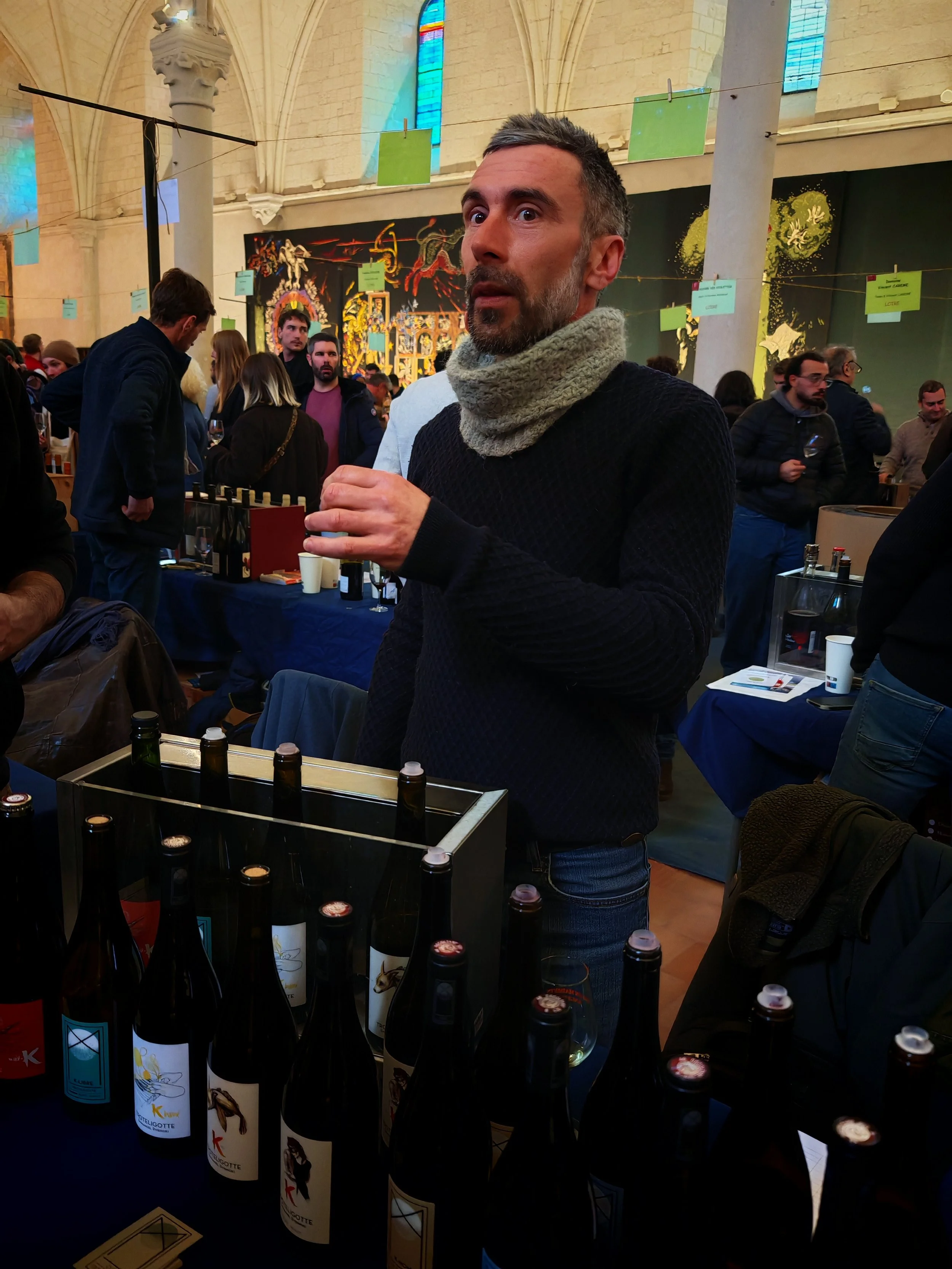
Clos Troteligotte is a 19-hectare enclosed estate perched on the high-altitude terroirs of the Cahors appellation. The vines are nestled at the heart of woodland between the Lot Valley and the Causses du Quercy Blanc. It’s a place where geological formations of the valleys and the limestone plateau meet and nourish the vines of Clos Troteligotte.
The story of Clos Troteligotte begins with Emmanuel Rybinski’s father, Christian, who in 1987 moved his family to a working farm a few miles to the south-west of Cahors that already had arable crops and cattle, to which he added a hectare of vines. From the outset his father wanted to work closely with the land and nature and chose farming methods that were already “conscientious”.
Fast forward to 2004 when Emmanuel returned from a working vacation around vineyards of the US and Australia to take over the running of the property. He was impressed by biodynamic wines that he tasted while travelling, finding more energy and with a greater sense of terroir and so taking his father’s farming methods to the next level, he began the transformation towards other methods of viticulture. Around 2010, Emmanuel began to experiment in the cellar, choosing vinification without added sulphites but he also started to apply princicples of organics and biodynamics which led to organic certification in 2014 and biodynamic certification in 2017.
He’s also actively encouraging biodiversity in the vines. He has reintroduced beehives into the vineyard and, since 2021, he has implemented principles of agroforestry by planting 5000 trees to act as hedges between parcels. Emmanuel also maintains the 15 hectares of woodland and meadows that surround the property.
The red varietals – Malbec, Merlot, Tannat, Jurançon, Gamay, and Gibert – thrive on a Kimmeridgian and siderolithic clay-limestone terroir, rich in iron from the Causses of Cahors while the white varietals – Chardonnay, Chenin, Sauvignon Blanc, and Viognier – grow on a Stampian clay-limestone terroir of the Quercy Blanc.
SOUTH WEST
Clos Troteligotte is a 19-hectare enclosed estate perched on the high-altitude terroirs of the Cahors appellation. The vines are nestled at the heart of woodland between the Lot Valley and the Causses du Quercy Blanc. It’s a place where geological formations of the valleys and the limestone plateau meet and nourish the vines of Clos Troteligotte.
The story of Clos Troteligotte begins with Emmanuel Rybinski’s father, Christian, who in 1987 moved his family to a working farm a few miles to the south-west of Cahors that already had arable crops and cattle, to which he added a hectare of vines. From the outset his father wanted to work closely with the land and nature and chose farming methods that were already “conscientious”.
Fast forward to 2004 when Emmanuel returned from a working vacation around vineyards of the US and Australia to take over the running of the property. He was impressed by biodynamic wines that he tasted while travelling, finding more energy and with a greater sense of terroir and so taking his father’s farming methods to the next level, he began the transformation towards other methods of viticulture. Around 2010, Emmanuel began to experiment in the cellar, choosing vinification without added sulphites but he also started to apply princicples of organics and biodynamics which led to organic certification in 2014 and biodynamic certification in 2017.
He’s also actively encouraging biodiversity in the vines. He has reintroduced beehives into the vineyard and, since 2021, he has implemented principles of agroforestry by planting 5000 trees to act as hedges between parcels. Emmanuel also maintains the 15 hectares of woodland and meadows that surround the property.
The red varietals – Malbec, Merlot, Tannat, Jurançon, Gamay, and Gibert – thrive on a Kimmeridgian and siderolithic clay-limestone terroir, rich in iron from the Causses of Cahors while the white varietals – Chardonnay, Chenin, Sauvignon Blanc, and Viognier – grow on a Stampian clay-limestone terroir of the Quercy Blanc.